Images
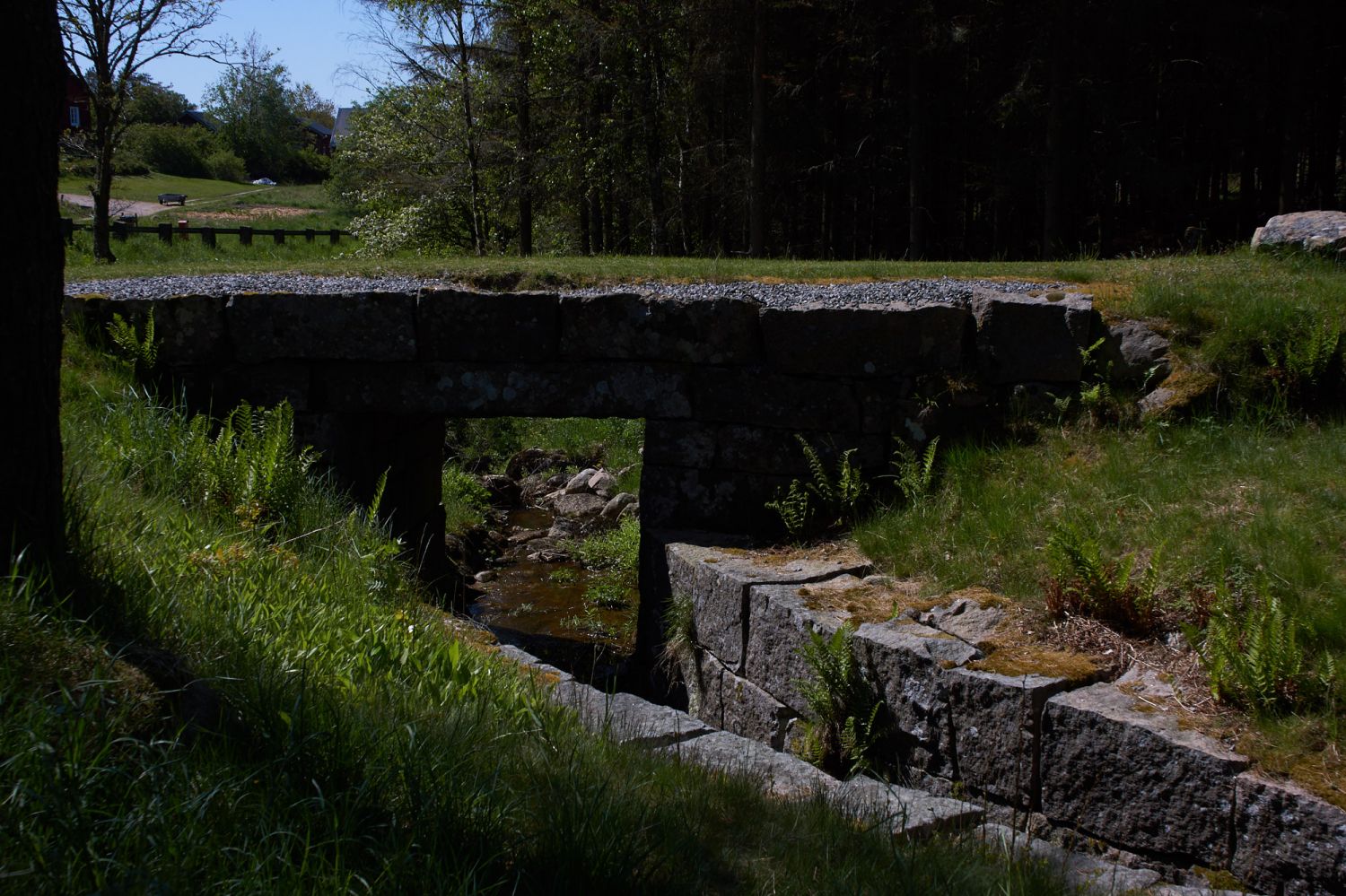
At Vrångstad in Tanum municipality, you can experience the changes in the landscape and traces of 5000 years of human activity.
The burial mounds by the lake
Less than 100 metres north of the car park are round hills that are burial mounds in an Iron Age burial ground. Today the graves are located next to arable land, but during the Iron Age the field was a lake. Iron Age cemeteries were often located by the roads and waterways of the time. The waterway from the sea went via Bottnafjorden, through a narrow pass to the lake. The cemetery was clearly visible at the pass. The graves of the Iron Age were not only resting places for the dead, they also served as important symbols in the landscape. Perhaps the cemetery told those who passed by about wealth and land ownership.
During the late 1800s and early 1900s, the landscape around the cemetery changed. There was a need for new farmland, so canals were dug to divert the lake's water. When they dug in the ground, they found several clay pots with burnt bone fragments. These were urns from Iron Age burials. A soapstone cauldron was also found. Soapstone cauldrons were commonly used for cooking in the Viking Age, but this one was filled with burnt bones and had been used as a burial urn. In 1935, a gold ring was found that is much older than the soapstone cauldron, probably from the centuries after the birth of Christ. The findings indicate that people have been buried here for a very long period, perhaps as long as a thousand years.
Vrångstad's rings of judgement
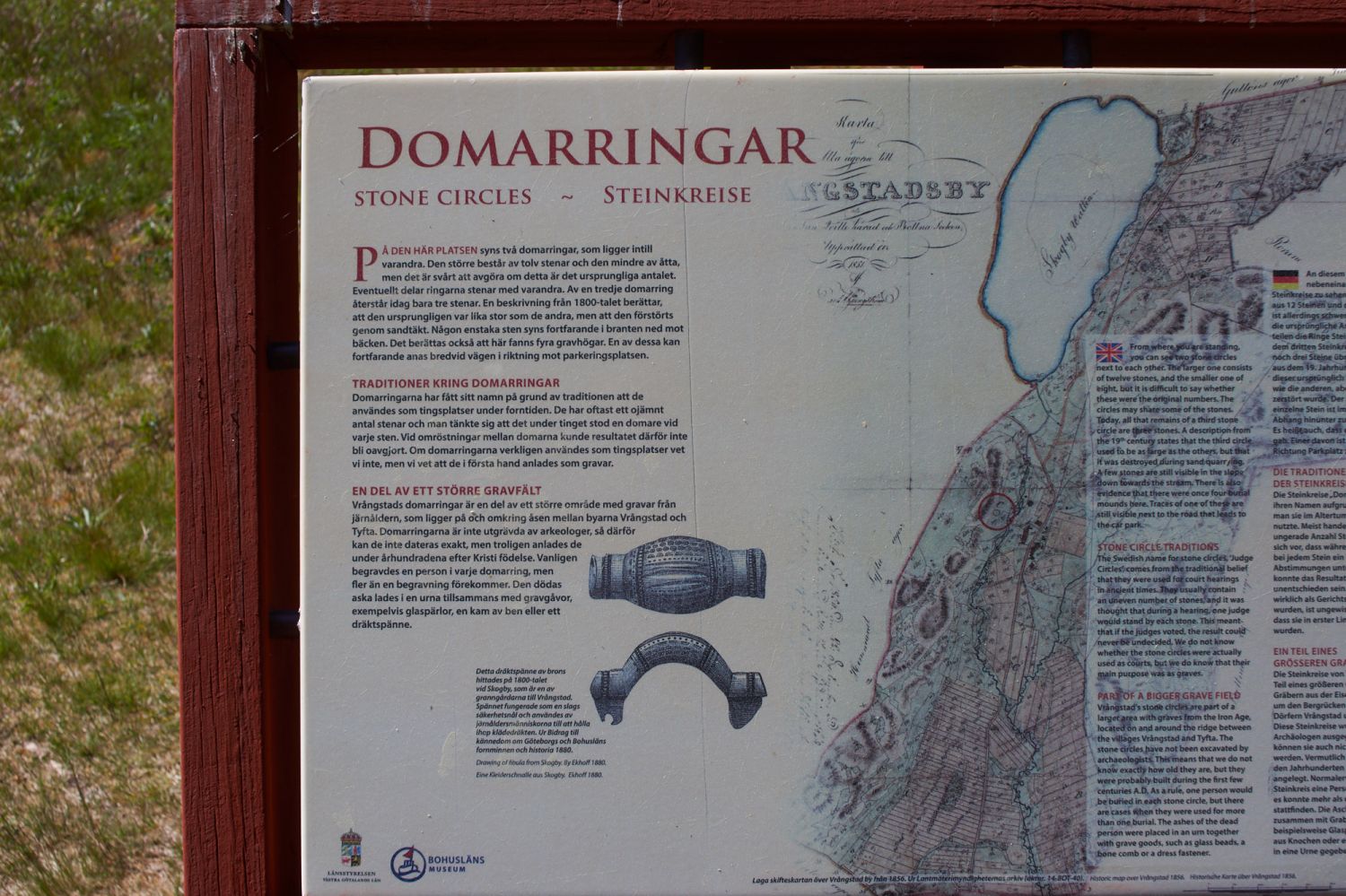
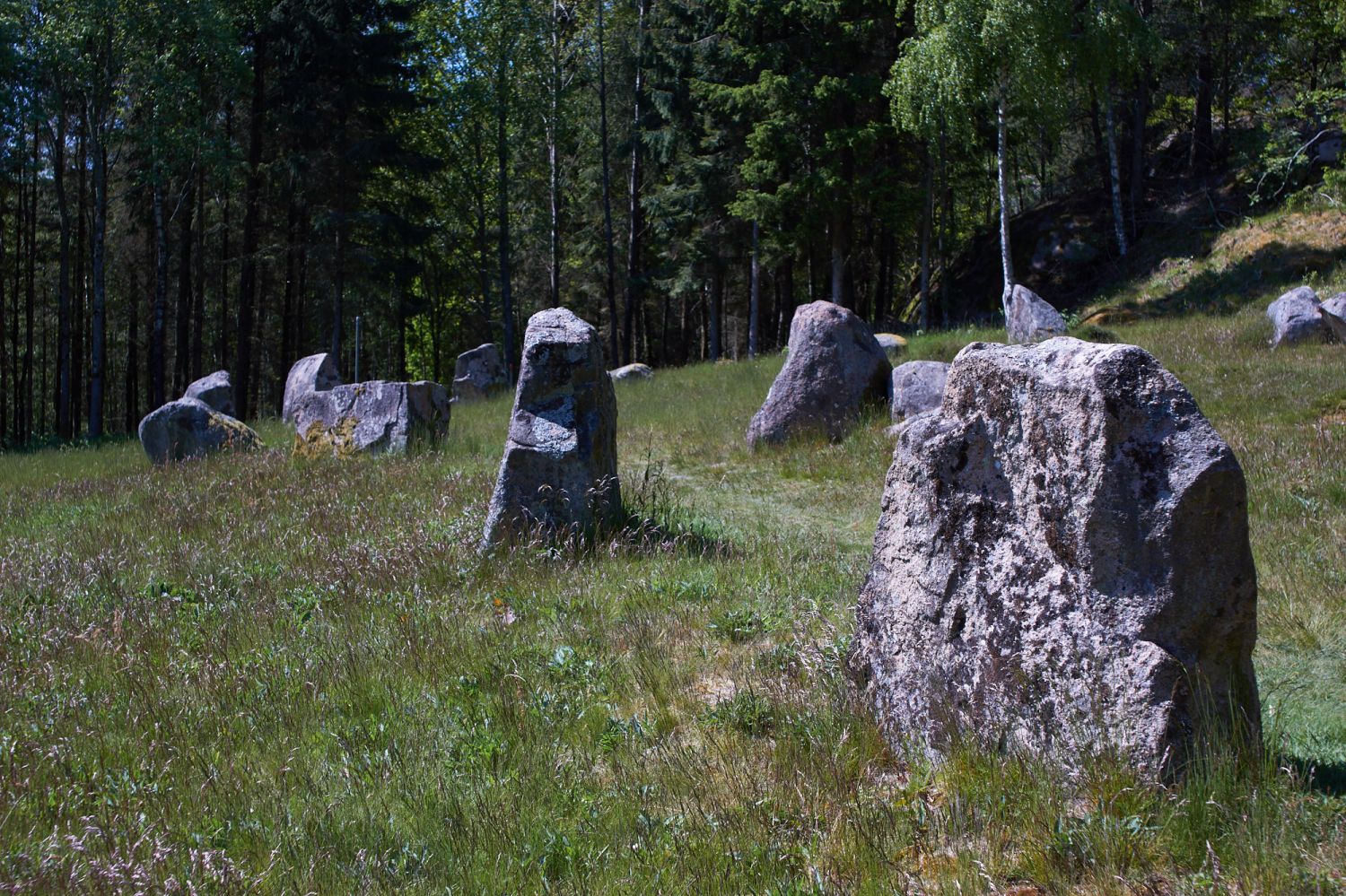
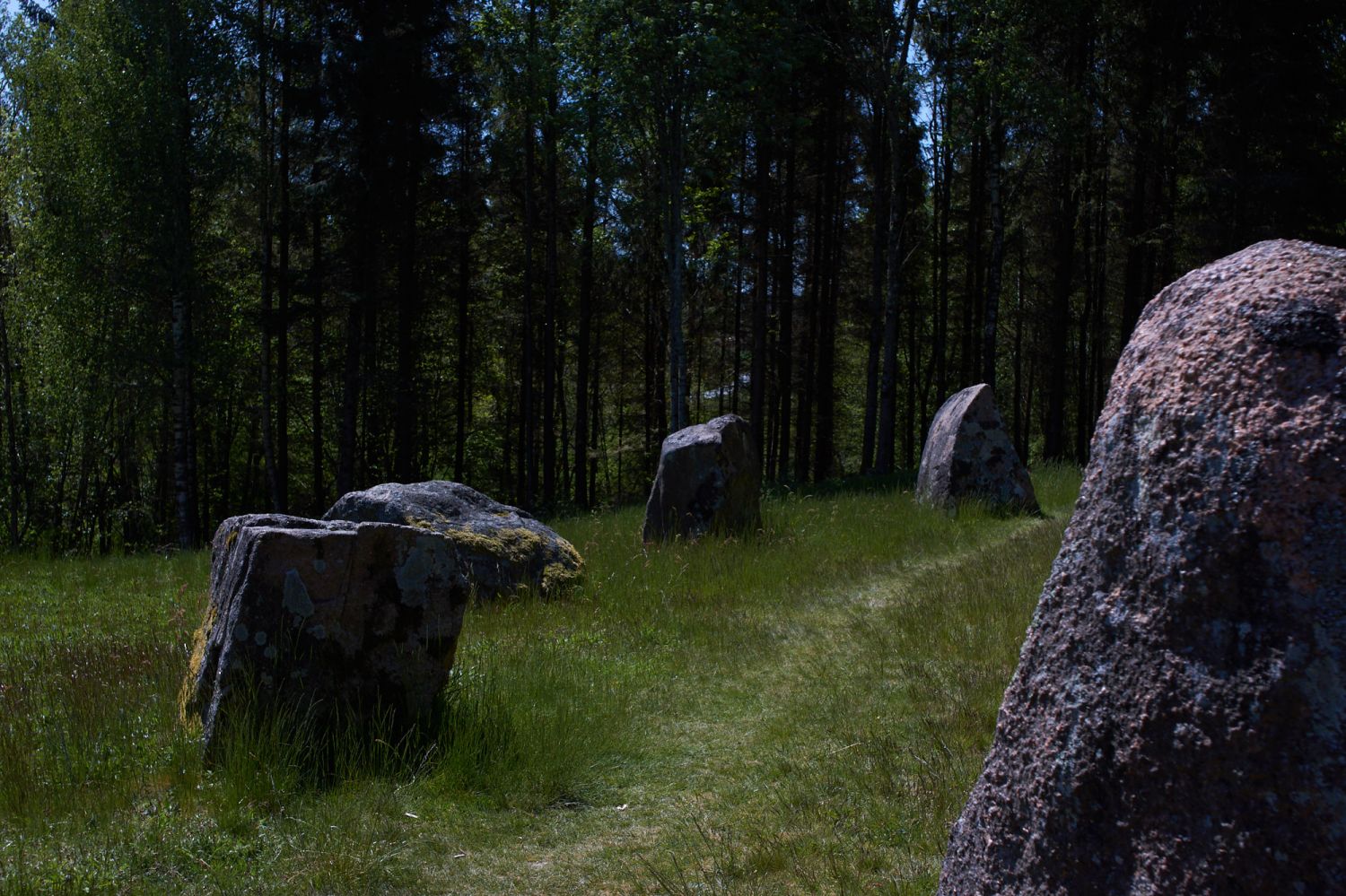
East of the ridge there are two rings of stones next to each other. The larger one consists of twelve stones and the smaller one of eight, but it is difficult to determine whether this is the original number. Of a third ring of stones, only three stones remain today. The judgement rings have not been excavated by archaeologists, so they cannot be dated exactly, but they were probably built in the centuries after the birth of Christ. The burnt bones of the dead were placed in an urn along with grave goods such as glass beads, a bone comb or a dress buckle.
Judgement rings got their name from the fact that in ancient folklore they were thought to have been used as courthouses in ancient times. It was imagined that a judge stood by each stone when a dispute was to be settled. Since judgement rings usually have an uneven number of stones, the result of a vote could not be a tie. We don't know whether the judges' rings were actually used as courthouses, but we do know that they were primarily constructed as graves.
Dösen - a grave from the Stone Age
But even long before Iron Age people laid their dead to rest on the burial ground at Vrångstad, the area was used for burials. A few hundred metres south of the domed rings there is a dolmen, a grave from the Neolithic period. The grave consists of a chamber of five stone slabs with a large roof block on top. The chamber lies in a mound of earth, surrounded by a ring of nine standing stones.
Doses are also called stone chamber graves and are the oldest preserved burial monuments in Bohuslän. When the dolmen at Vrångstad was built about 5000 years ago, the sea level was about 25 metres above today's level. The valley to the south was a shallow bay and the surrounding area was a protected inner archipelago. The people who built the docks were probably settled. Despite their proximity to the sea, they lived mainly from agriculture and livestock farming.
Rock carvings from the Bronze Age
East of the road at the Vrångstad burial ground is a rock face with rock carvings: a ship, a four-wheeled cart and about ten bowl pits. The ship is 1.65 metres long and is depicted from the side. Far from all rock carvings can be dated, but ship images can usually be dated by comparison with ship images on dated bronze artefacts. The ship on the slab can thus be dated to the middle of the Bronze Age, around 1000 BC. Bronze Age boats were canoe-like vessels that could be used both for fishing and for trade journeys.
Canals and mills
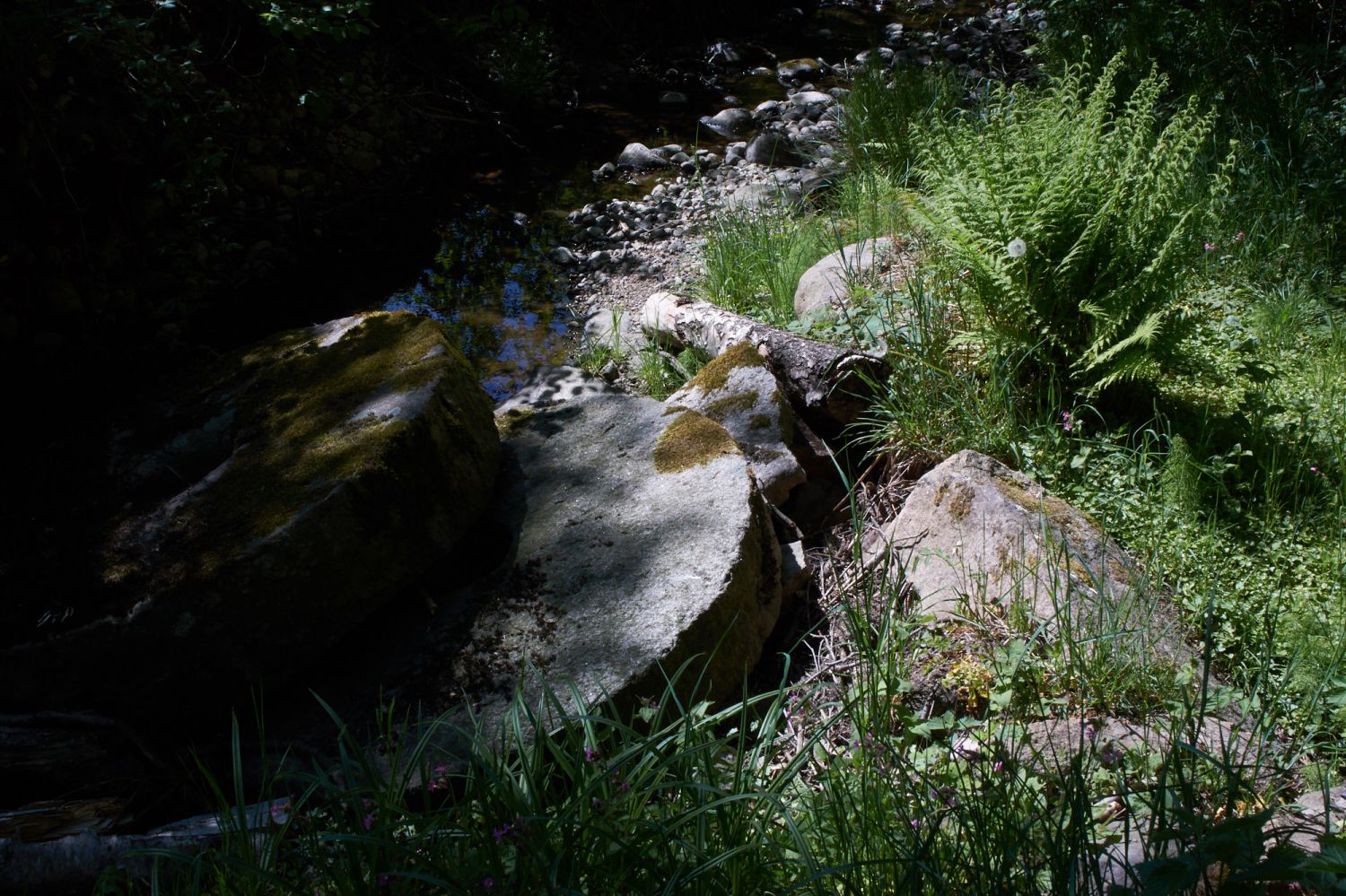
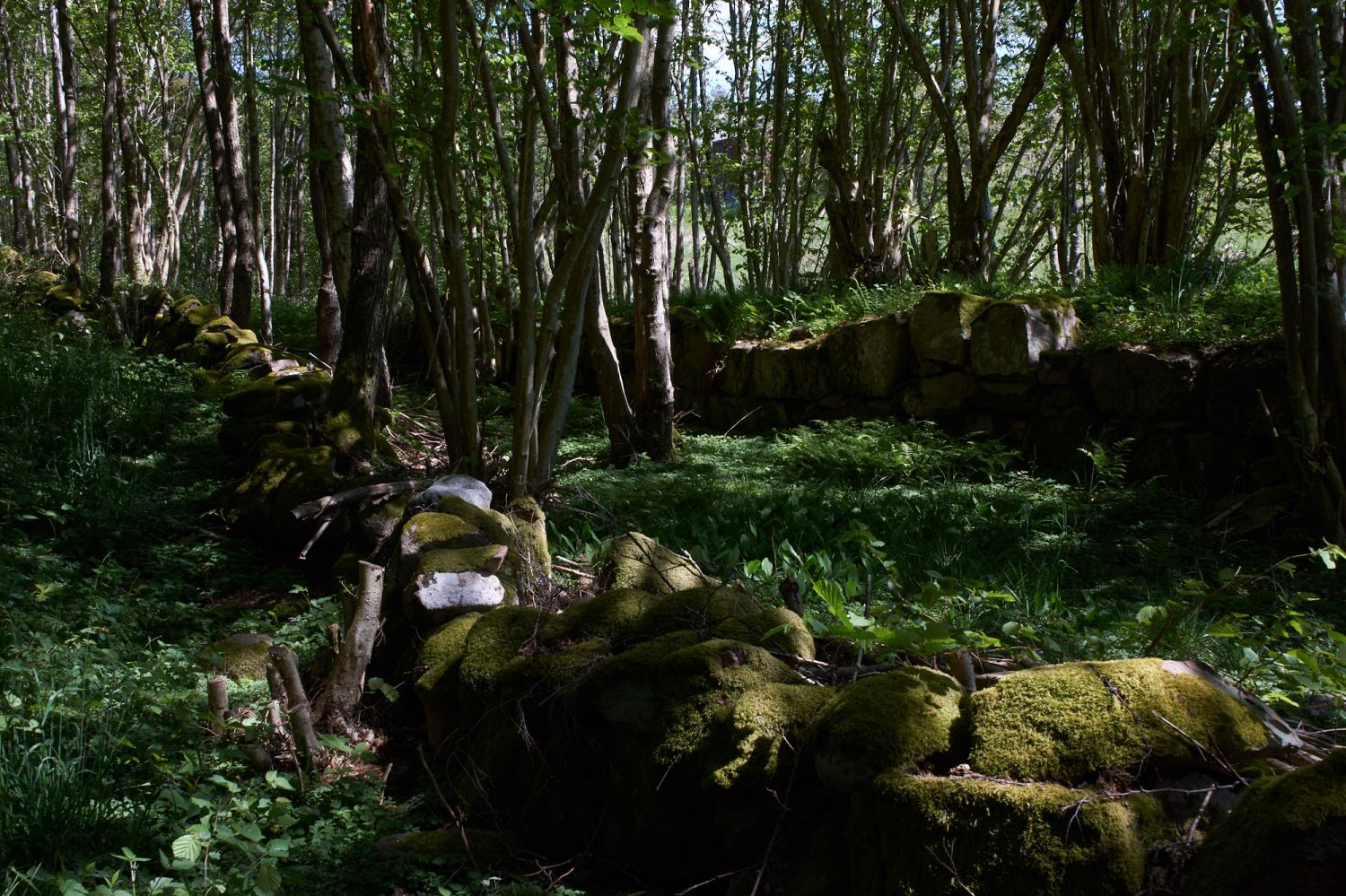
At Vrångstad there are also traces in the landscape of people's work in recent times. From the former lake, a watercourse leads down to the sea. The power of that water drove six mills. During the 19th and 20th centuries, the lake was dammed up in order to gain access to more arable land and the conditions for the water mills ceased to exist. It is still possible to find the foundations of several of the mills along the watercourse.
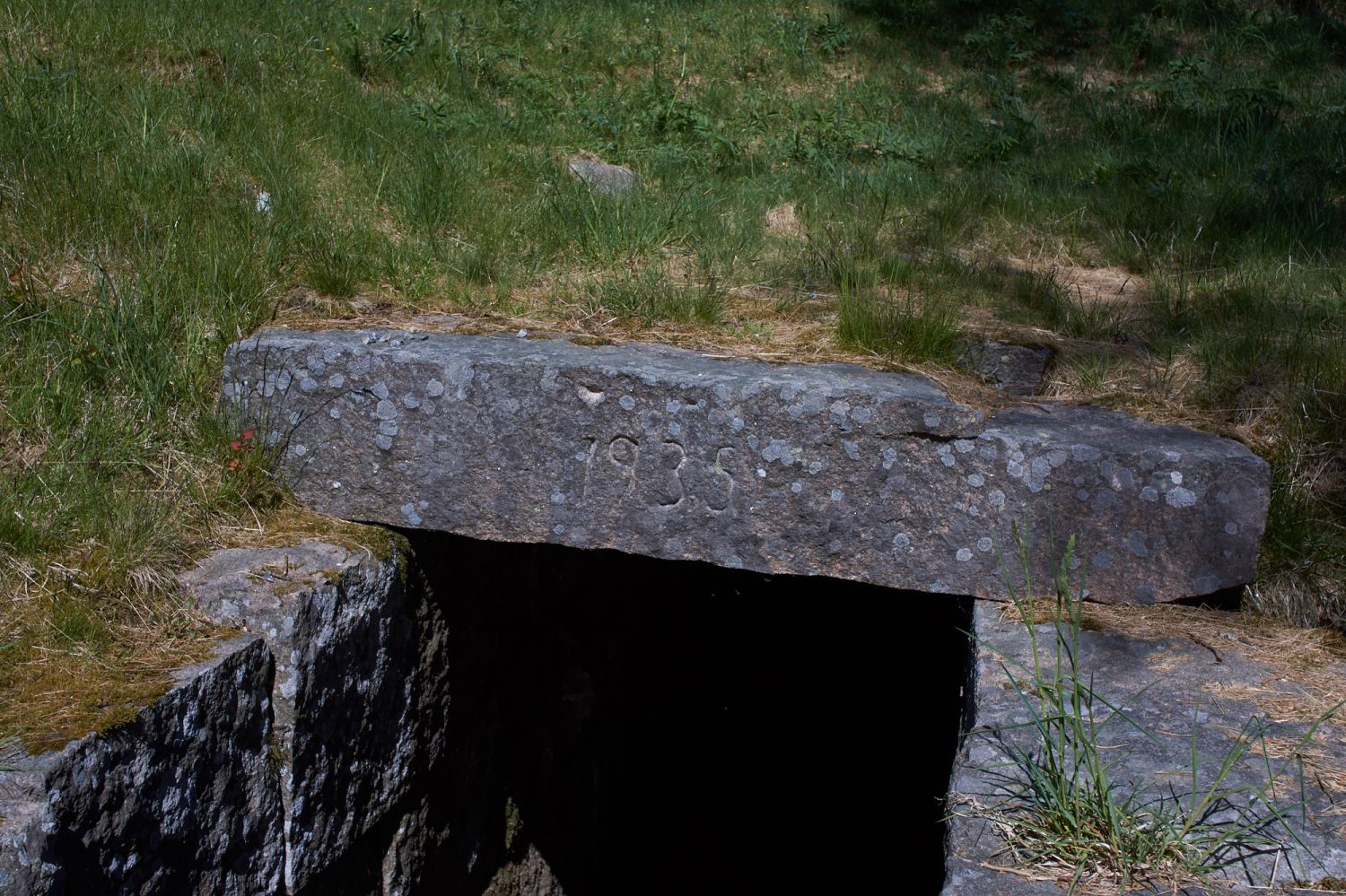
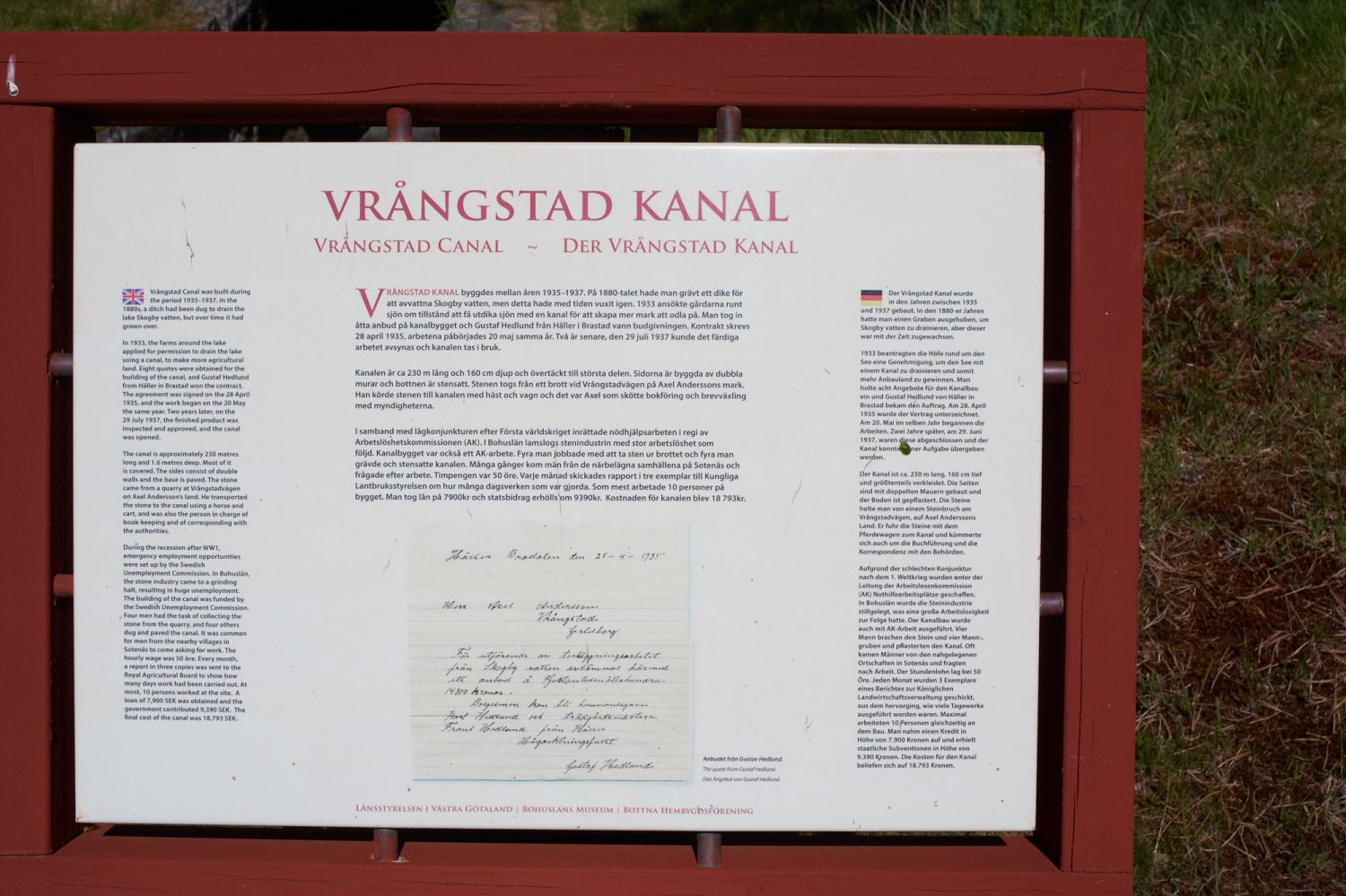
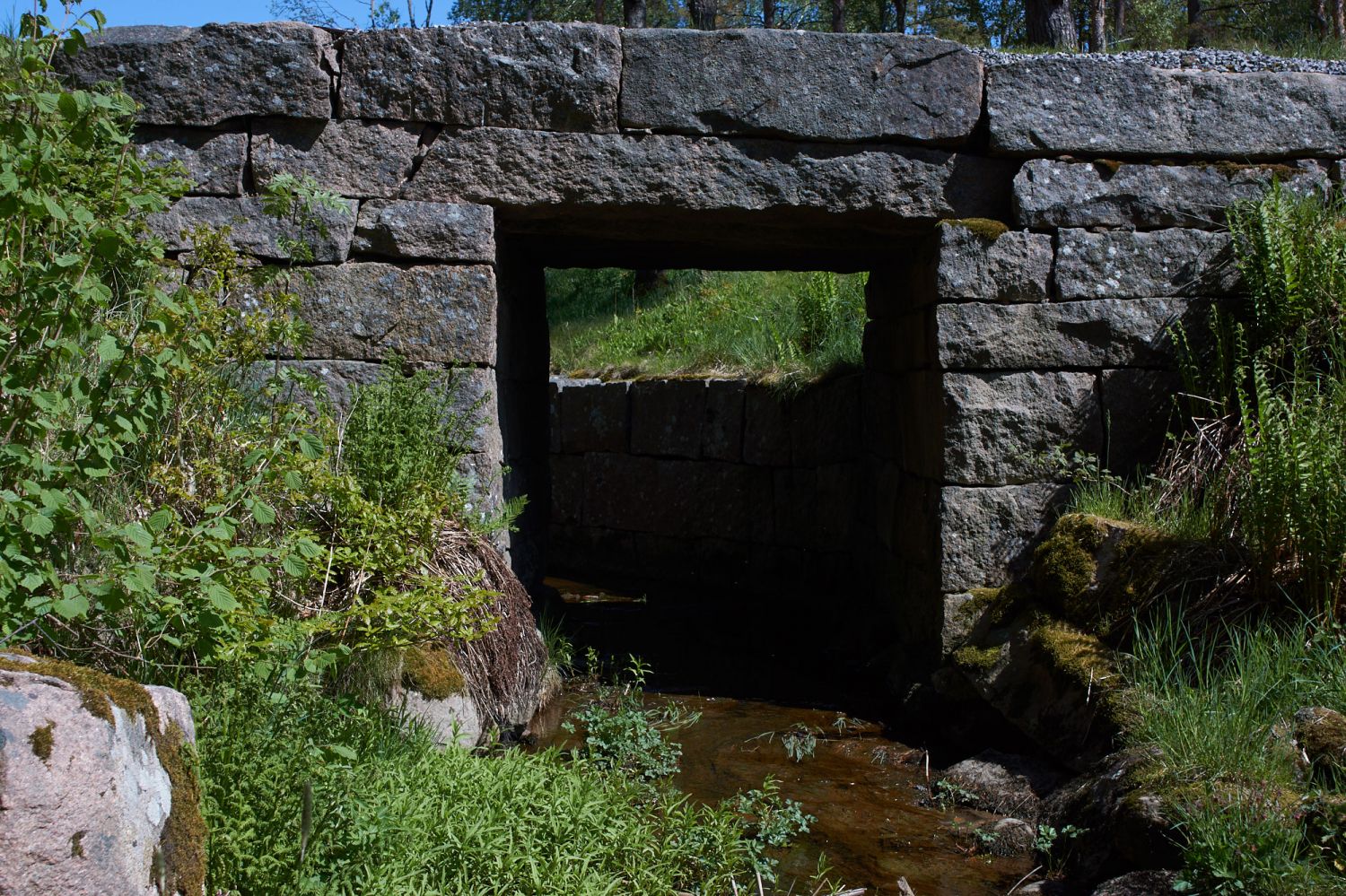
Initially, the water from the lake was channelled through ditches. Over time, the ditches became overgrown and something more sustainable had to be built. The solution was a 230 metre long and 1.60 metre deep stone canal. Construction of the canal began in 1935 and took two years to complete with double walls and a stone floor. The stone was brought by horse and cart from a nearby quarry and the labour force was drawn from a large group of unemployed people. Four men worked in the quarry and four men dug and stoned the canal. They were paid 50 öre per hour for their work.
Source: Bohusläns Museum [url=https://www.bohuslansmuseum.se/kunskapsbanken_bohuslans_historia/vrangstad-kulturmiljo/]https://www.bohuslansmuseum.se/kunskapsbanken_bohuslans_historia/vrangstad-kulturmiljo/[/url]